DRAG
 DRAG

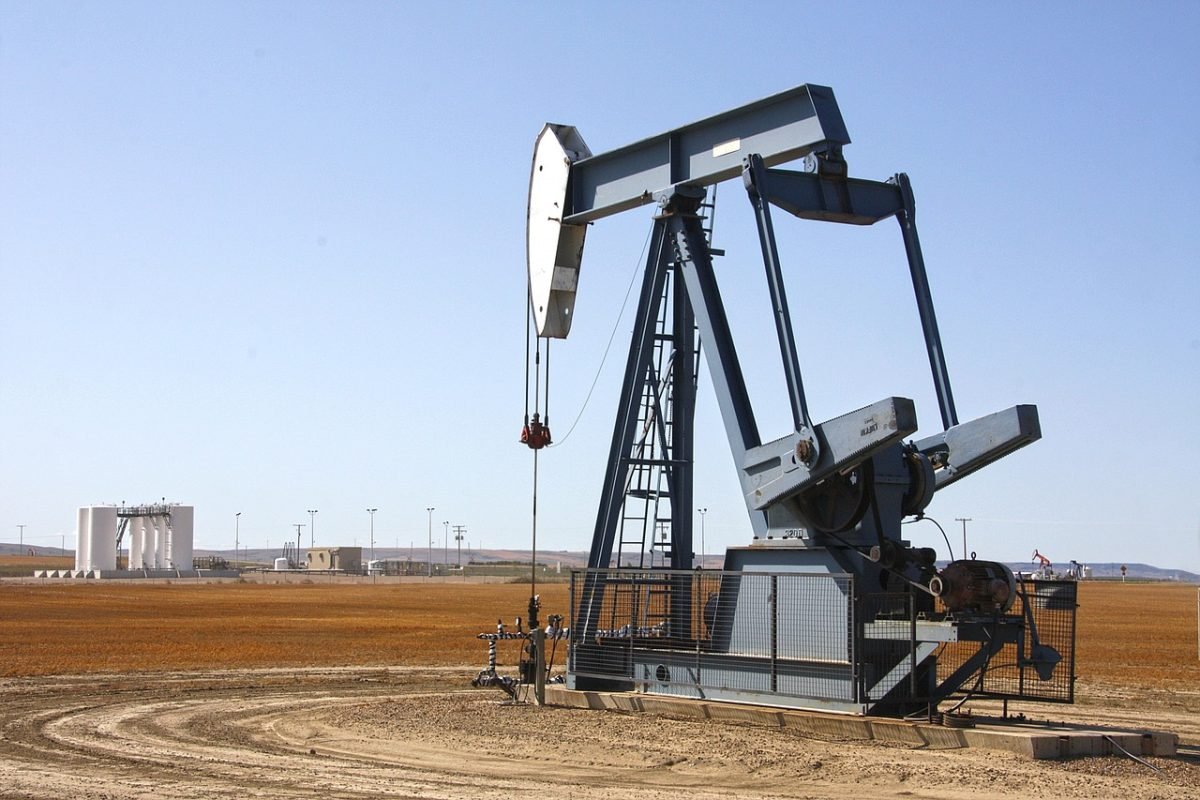
The oil and gas industry increasingly relies on comprehensive Wi-Fi coverage to enhance productivity and improve worker safety through digital transformation. This shift involves integrating advanced technologies such as IoT sensors and real-time data analytics, which enable efficient operations and informed decision-making. However, deploying Wi-Fi presents significant challenges, including harsh environmental conditions in remote locations and refinery plants, as well as the unique intrinsic safety requirements inherent to the sector. Altai is well-positioned to address these challenges with its robust industrial Wi-Fi solutions, providing reliable connectivity that can withstand extreme conditions while ensuring compliance with safety standards. This empowers organizations to effectively leverage digital tools, driving operational efficiency and advancing safety in their operations.
Ensure that all on-site equipment meets strict safety and regulatory requirements, particularly that it is intrinsically safe for use in hazardous environments.
Provide coverage for remote and often rugged operating environments, including offshore platforms, remote drilling sites, pipelines, and refineries. These locations can be complex, often lacking suitable sites for access point (AP) installation due to limited power and fixed network availability, complicating network design.
Design the network to function effectively in extreme environmental conditions, including high temperatures, humidity, dust, vibrations, and potential explosive atmospheres.
Accommodate the growing need for reliable, high-bandwidth connectivity essential for critical operations across both upstream and downstream sectors
Upstream Operations:
Downstream Operations:

QLink’s patented antenna design and advanced signal processing algorithms effectively overcome Wi-Fi bottlenecks and enhance uplink performance for seamless connectivity across all devices. This optimization allows for a reduced number of APs while minimizing self-interference, lowering capital and operational expenditures

The QLink AlwaysConnected feature employs a proprietary redundancy protocol that ensures optimal wireless link performance with failover capabilities for business-critical applications. This guarantees continuous connectivity and minimizes disruptions.

QLink APs are engineered to withstand demanding outdoor conditions. With an IP67 weatherproof rating, high wind survival capabilities, resilience to extreme temperatures, and surge protection, these devices are designed for robustness, making them ideal for extensive outdoor areas.
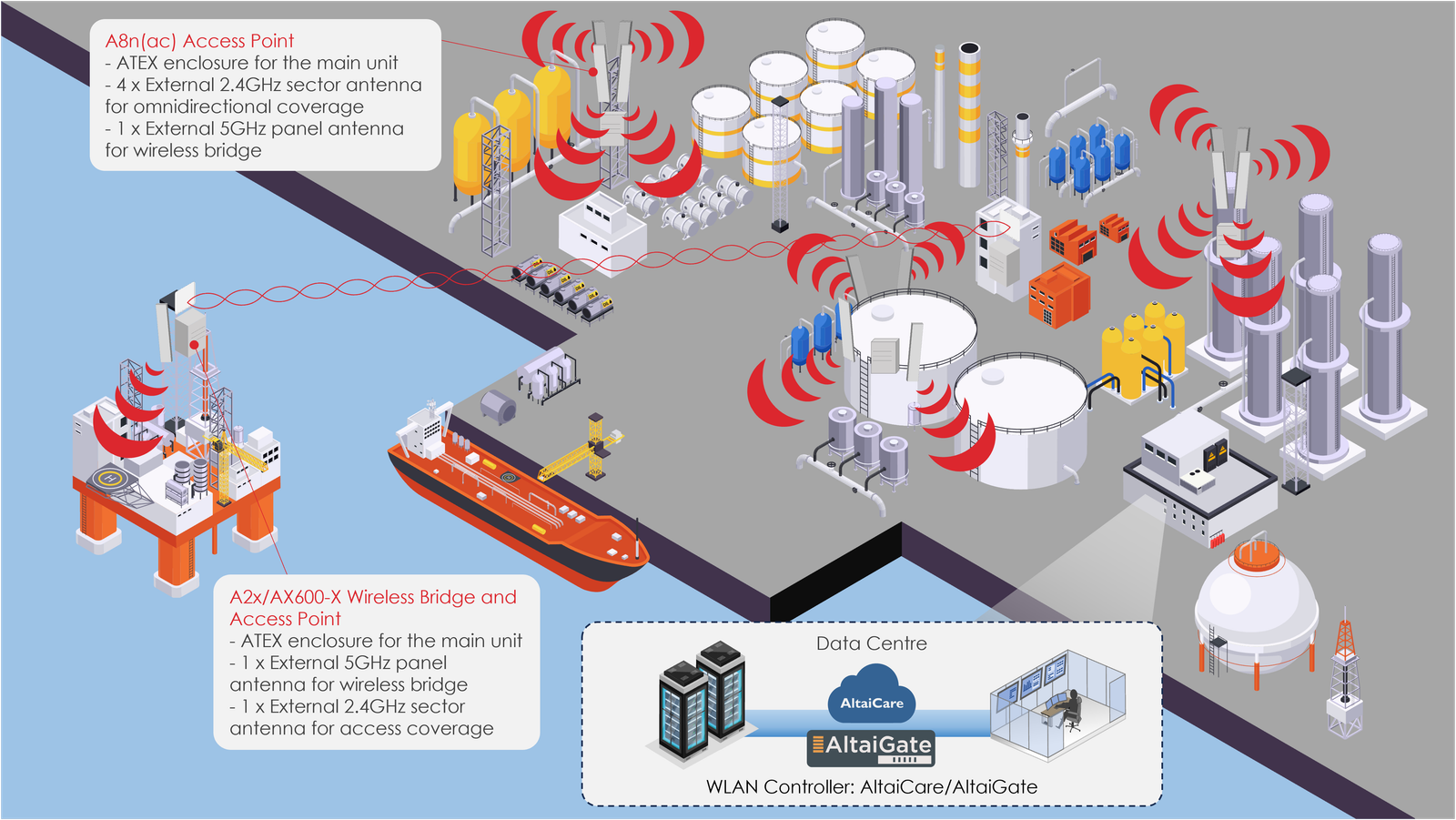
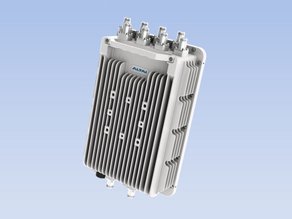
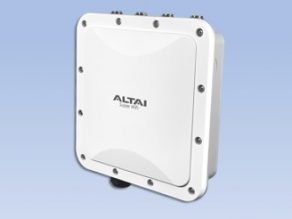
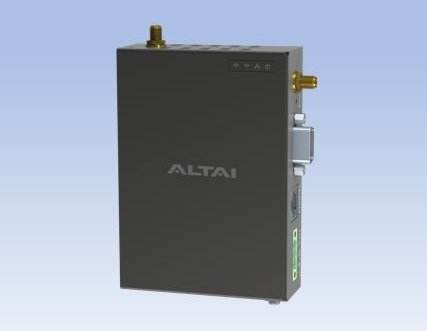
As previously mentioned, the primary challenge in the oil and gas sector is the complex site environment, where limited power availability and the absence of fiber cabling restrict suitable locations for access point (AP) installation. To address these challenges, Altai proposes a comprehensive wireless infrastructure solution utilizing the A8n(ac) as the base station, complemented by AX600-X or A2x units as wireless bridges or repeaters for extended coverage in remote areas.
The A8n(ac) should be installed at elevated locations, such as towers, tanks, or building rooftops, to ensure effective macro coverage. These AP sites can be interconnected via 5GHz wireless backhaul using pairs of AX600-X or A2x units, enabling reliable data transmission across the network. To comply with intrinsic safety requirements, all wireless equipment will be housed within ATEX-rated enclosures, with only the antennas extending outside to facilitate optimal coverage.