DRAG
 DRAG


As educational institutions adopt digital learning, smart classrooms and connected campus services, reliable Wi-Fi has become an important part of the learning environment. Students, teachers and staff use online learning platforms, digital libraries, video lessons and connected classroom devices every day. QLink Super Wi-Fi solutions can help schools, colleges and universities plan wireless connectivity across classrooms, lecture halls, libraries, laboratories, administrative buildings, hostels and outdoor campus areas. Network design should be tailored to each institution’s coverage, capacity and security requirements.
Schools and university campuses often include multiple buildings, thick walls, lecture halls and outdoor spaces. These conditions can affect wireless signals, so a site survey and careful network planning help determine suitable access point locations and coverage.
Students and faculty may connect laptops, phones, tablets, interactive displays and other learning devices at the same time. The wireless network should be planned around expected users, simultaneous connections and learning applications.
Educational networks can carry student, staff and administrative information. Appropriate encryption, authentication, access policies and network segmentation help protect users and institutional systems.'
Nearby networks, building materials and radio devices may affect Wi-Fi performance. Site surveys and suitable channel planning can help reduce interference and improve network reliability.
For campuses with many access points or buildings, centralized monitoring and management can help IT teams administer network settings, review performance and maintain connectivity more efficiently.

QLink wireless solutions can be evaluated for campus coverage needs, including challenging indoor and non-line-of-sight areas. Actual coverage and access point quantities depend on the site survey, building layout and network design.

Where suitable line of sight and site conditions are available, wireless bridge products may help connect separate academic buildings, hostels, sports facilities or other campus locations. Confirm supported distance and capacity against the selected product specifications.

A campus network should use appropriate encryption, authentication and access policies for students, faculty, guests and administrative systems. Available security and controller features should be confirmed for the selected QLink products.
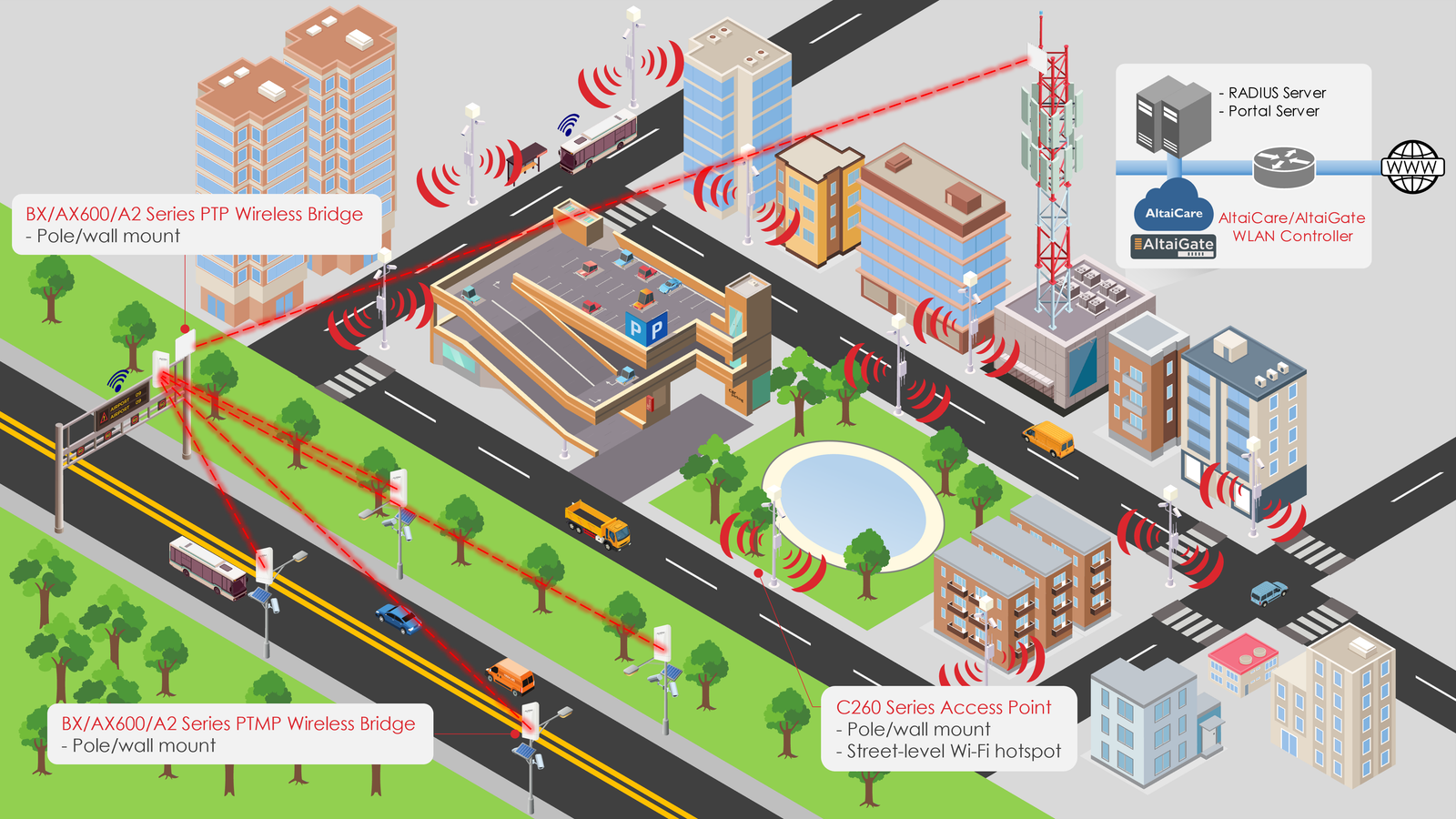
Educational campuses include classrooms, lecture theatres, libraries, laboratories, offices, hostels and shared outdoor spaces. Each area can have different coverage and capacity needs. A campus Wi-Fi plan should consider building layout, user density, bandwidth requirements and the learning applications used in each space.
Access points can be positioned to support teaching spaces, study areas and campus common areas, based on a professional site survey. Wired or suitable wireless backhaul may be considered between buildings. Schools and universities can also plan separate access for students, faculty, visitors and connected classroom equipment according to their network policies.